What Is All-Weather Protection? Standards, Protection Ratings, and Applications
All-weather protection refers to the ability of devices to operate reliably under harsh environmental conditions such as rain, dust, temperature extremes, and humidity, supported by IP ratings and industrial standards.
Becke Telcom
Introduction to All-Weather Protection
Definition of All-Weather Protection
All-weather protection refers to the capability of equipment or devices to operate reliably under various environmental conditions, including rain, dust, extreme temperatures, humidity, and wind exposure.
It is a critical feature in industrial communication systems, outdoor electronics, and infrastructure equipment where continuous operation is required regardless of environmental challenges.
Why It Matters in Modern Systems
In many industries such as transportation, energy, and public safety, devices are deployed in outdoor or harsh environments. Without proper protection, equipment failure can lead to operational disruptions.
All-weather protection ensures system reliability, reduces maintenance costs, and extends equipment lifespan.
All-weather protection is essential for ensuring uninterrupted operation in harsh and unpredictable environments.
Standards and Protection Ratings
Ingress Protection (IP Rating)
The IP rating system defines the level of protection against solid objects and liquids. For example, IP65 indicates protection against dust and water jets, while IP67 provides protection against temporary immersion.
These ratings are widely used in industrial communication devices such as outdoor IP phones and intercom systems.
IK Rating for Impact Resistance
IK ratings measure the mechanical impact resistance of enclosures. Devices with higher IK ratings can withstand stronger physical impacts, making them suitable for public or industrial environments.
This is particularly important for equipment installed in exposed or vandal-prone areas.
Temperature and Environmental Standards
Devices designed for all-weather use must operate within a wide temperature range, often from -40°C to +70°C or more. They must also resist corrosion, UV exposure, and humidity.
Compliance with environmental standards ensures consistent performance in extreme conditions.
IP rating classification for environmental protection
Key Protection Features
Waterproof and Dustproof Design
All-weather devices are sealed to prevent water and dust ingress. This includes gasket sealing, waterproof connectors, and protective enclosures.
Such designs are critical for outdoor installations exposed to rainstorms or dusty environments.
Corrosion and UV Resistance
Materials used in all-weather equipment are often treated to resist corrosion and UV damage. This ensures durability in coastal or high-sunlight environments.
Stainless steel and industrial-grade plastics are commonly used.
Reliable Audio and Communication Performance
In communication systems, all-weather protection must also ensure audio clarity. Technologies like noise reduction and sealed microphones are used to maintain performance.
Solutions from providers like Becke Telcom integrate these features into industrial-grade communication devices.
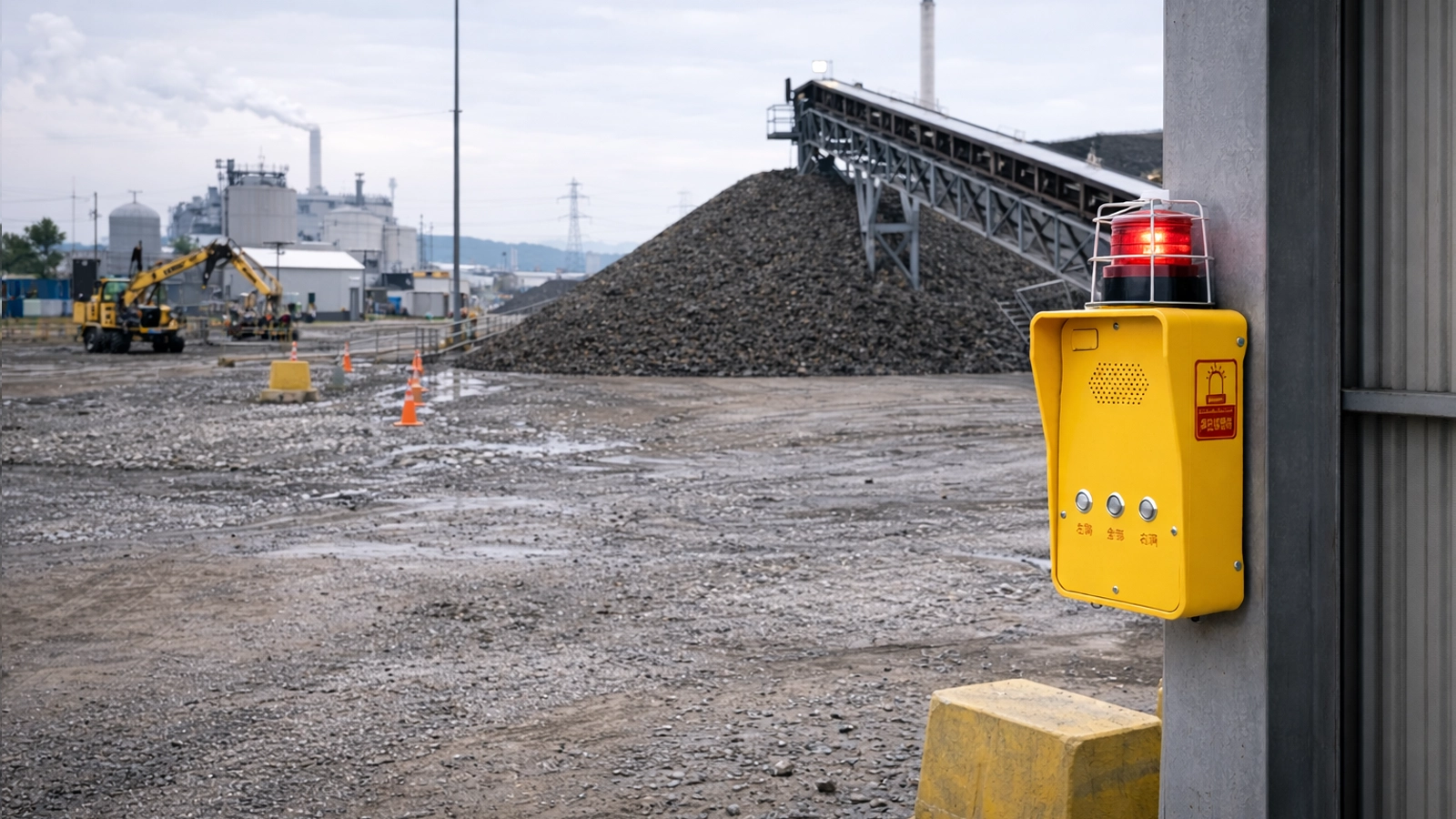
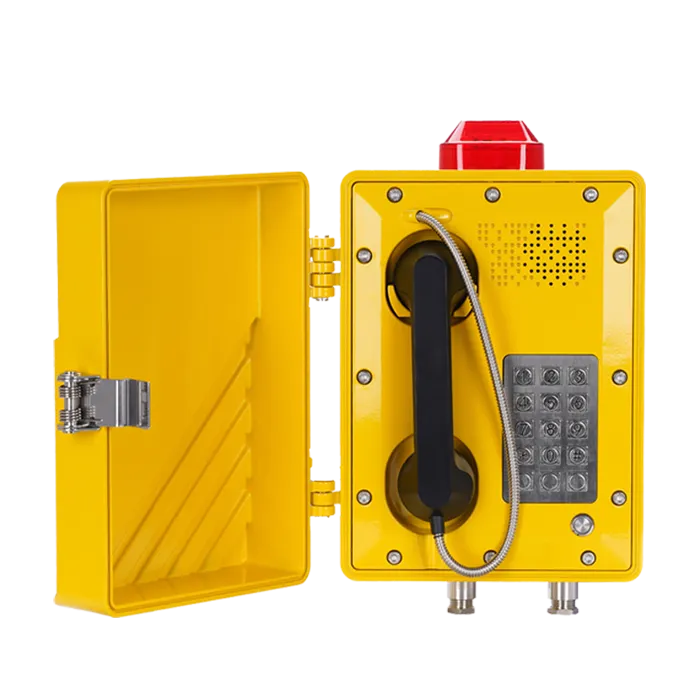
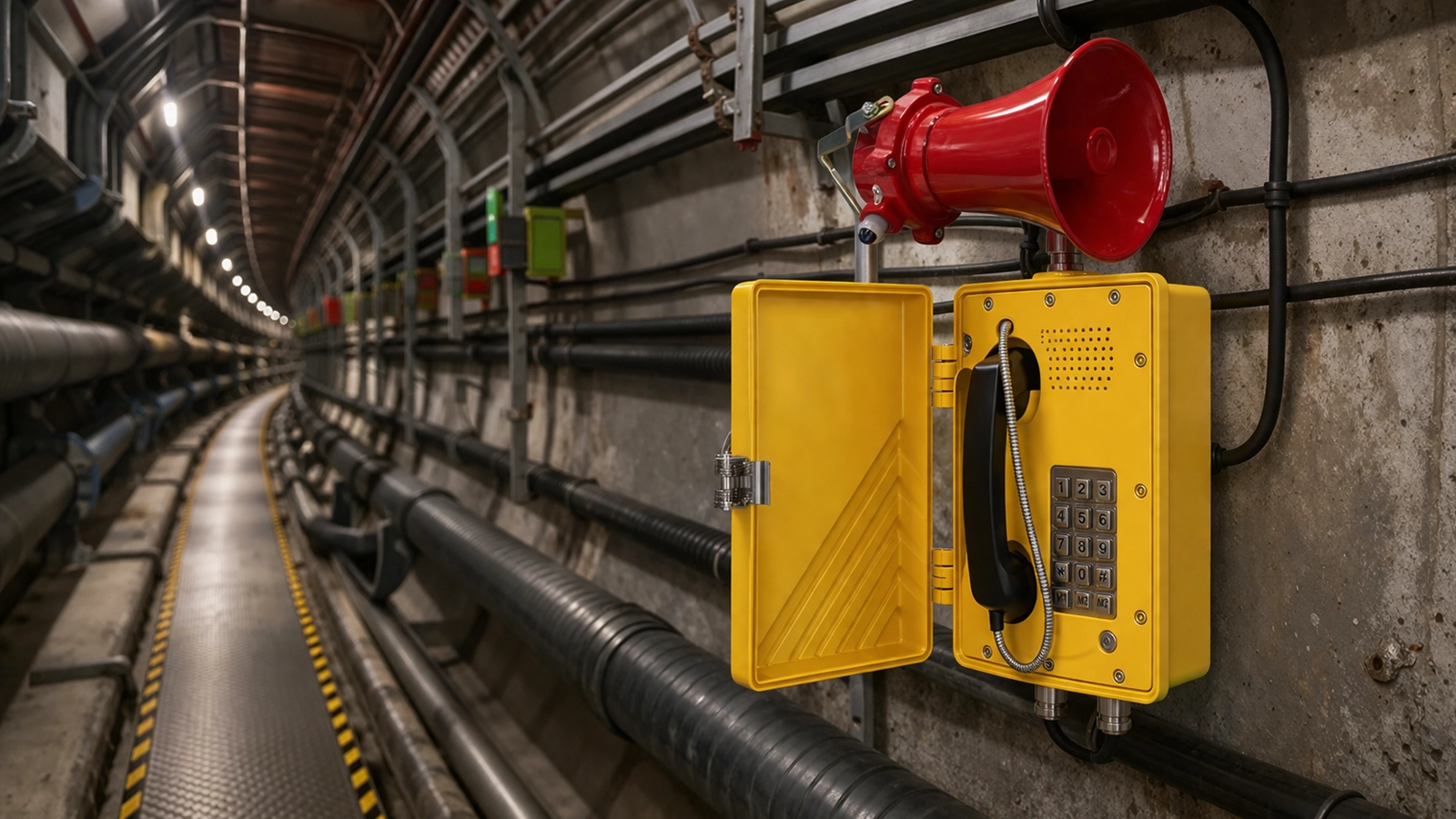
All-weather industrial communication device in outdoor environment
Applications of All-Weather Protection
Industrial and Energy Sectors
All-weather devices are widely used in oil and gas, mining, and power plants where environmental conditions are harsh and unpredictable.
They ensure reliable communication and monitoring in critical operations.
Transportation and Infrastructure
Railways, highways, and airports rely on all-weather communication systems for safety and coordination.
Devices must operate reliably in outdoor installations exposed to varying weather conditions.
Public Safety and Emergency Systems
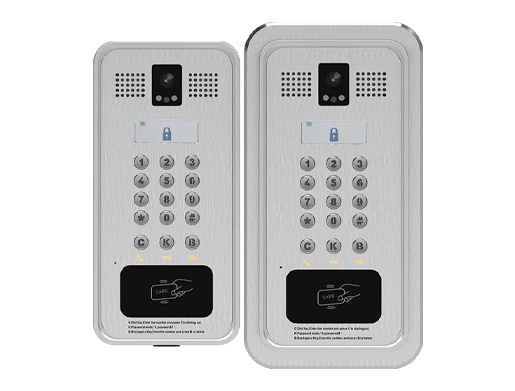
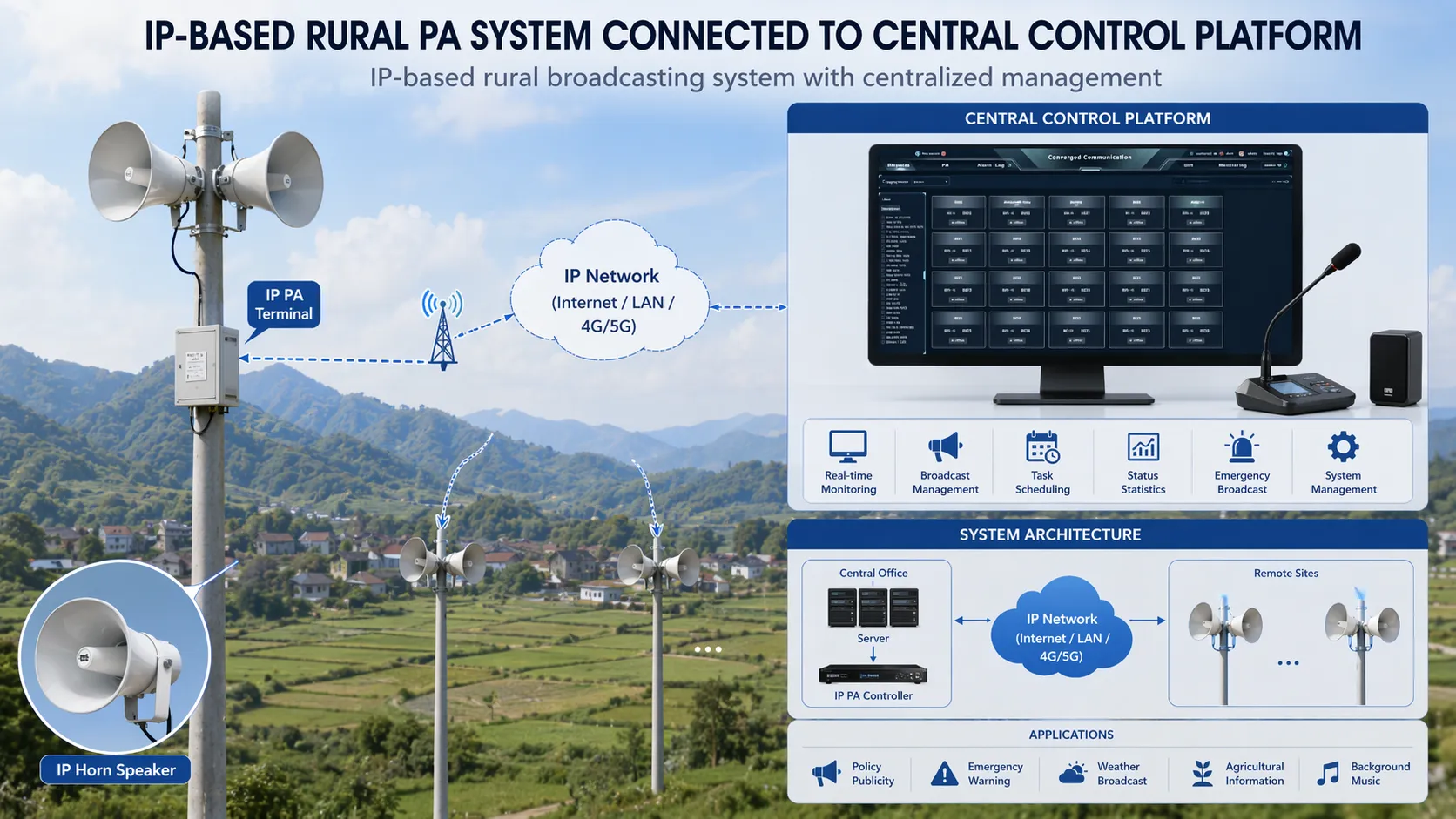
Emergency call stations, outdoor intercoms, and public address systems require all-weather protection to function during critical situations.
This ensures accessibility and reliability when it matters most.
All-weather emergency communication system
FAQ
What does IP65 mean?
IP65 means the device is fully protected against dust and resistant to low-pressure water jets from any direction.
Is all-weather protection the same as waterproof?
No, waterproof is only one aspect. All-weather protection includes resistance to dust, temperature, UV, and impact as well.
Where is all-weather protection most important?
It is most important in outdoor, industrial, and mission-critical environments where equipment must operate continuously.
We use cookie to improve your online experience. By continuing to browse this website, you agree to our use of cookie.
Cookies
This Cookie Policy explains how we use cookies and similar technologies when you access or use our website and related services. Please read this Policy together with our Terms and Conditions and Privacy Policy so that you understand how we collect, use, and protect information.
By continuing to access or use our Services, you acknowledge that cookies and similar technologies may be used as described in this Policy, subject to applicable law and your available choices.
Updates to This Cookie Policy
We may revise this Cookie Policy from time to time to reflect changes in legal requirements, technology, or our business practices. When we make updates, the revised version will be posted on this page and will become effective from the date of publication unless otherwise required by law.
Where required, we will provide additional notice or request your consent before applying material changes that affect your rights or choices.
What Are Cookies?
Cookies are small text files placed on your device when you visit a website or interact with certain online content. They help websites recognize your browser or device, remember your preferences, support essential functionality, and improve the overall user experience.
In this Cookie Policy, the term “cookies” also includes similar technologies such as pixels, tags, web beacons, and other tracking tools that perform comparable functions.
Why We Use Cookies
We use cookies to help our website function properly, remember user preferences, enhance website performance, understand how visitors interact with our pages, and support security, analytics, and marketing activities where permitted by law.
We use cookies to keep our website functional, secure, efficient, and more relevant to your browsing experience.
Categories of Cookies We Use
Strictly Necessary Cookies
These cookies are essential for the operation of the website and cannot be disabled in our systems where they are required to provide the service you request. They are typically set in response to actions such as setting privacy preferences, signing in, or submitting forms.
Without these cookies, certain parts of the website may not function correctly.
Functional Cookies
Functional cookies enable enhanced features and personalization, such as remembering your preferences, language settings, or previously selected options. These cookies may be set by us or by third-party providers whose services are integrated into our website.
If you disable these cookies, some services or features may not work as intended.
Performance and Analytics Cookies
These cookies help us understand how visitors use our website by collecting information such as traffic sources, page visits, navigation behavior, and general interaction patterns. In many cases, this information is aggregated and does not directly identify individual users.
We use this information to improve website performance, usability, and content relevance.
Targeting and Advertising Cookies
These cookies may be placed by our advertising or marketing partners to help deliver more relevant ads and measure the effectiveness of campaigns. They may use information about your browsing activity across different websites and services to build a profile of your interests.
These cookies generally do not store directly identifying personal information, but they may identify your browser or device.
First-Party and Third-Party Cookies
Some cookies are set directly by our website and are referred to as first-party cookies. Other cookies are set by third-party services, such as analytics providers, embedded content providers, or advertising partners, and are referred to as third-party cookies.
Third-party providers may use their own cookies in accordance with their own privacy and cookie policies.
Information Collected Through Cookies
Depending on the type of cookie used, the information collected may include browser type, device type, IP address, referring website, pages viewed, time spent on pages, clickstream behavior, and general usage patterns.
This information helps us maintain the website, improve performance, enhance security, and provide a better user experience.
Your Cookie Choices
You can control or disable cookies through your browser settings and, where available, through our cookie consent or preference management tools. Depending on your location, you may also have the right to accept or reject certain categories of cookies, especially those used for analytics, personalization, or advertising purposes.
Please note that blocking or deleting certain cookies may affect the availability, functionality, or performance of some parts of the website.
Restricting cookies may limit certain features and reduce the quality of your experience on the website.
Cookies in Mobile Applications
Where our mobile applications use cookie-like technologies, they are generally limited to those required for core functionality, security, and service delivery. Disabling these essential technologies may affect the normal operation of the application.
We do not use essential mobile application cookies to store unnecessary personal information.
How to Manage Cookies
Most web browsers allow you to manage cookies through browser settings. You can usually choose to block, delete, or receive alerts before cookies are stored. Because browser controls vary, please refer to your browser provider’s support documentation for details on how to manage cookie settings.
Contact Us
If you have any questions about this Cookie Policy or our use of cookies and similar technologies, please contact us at support@becke.cc .