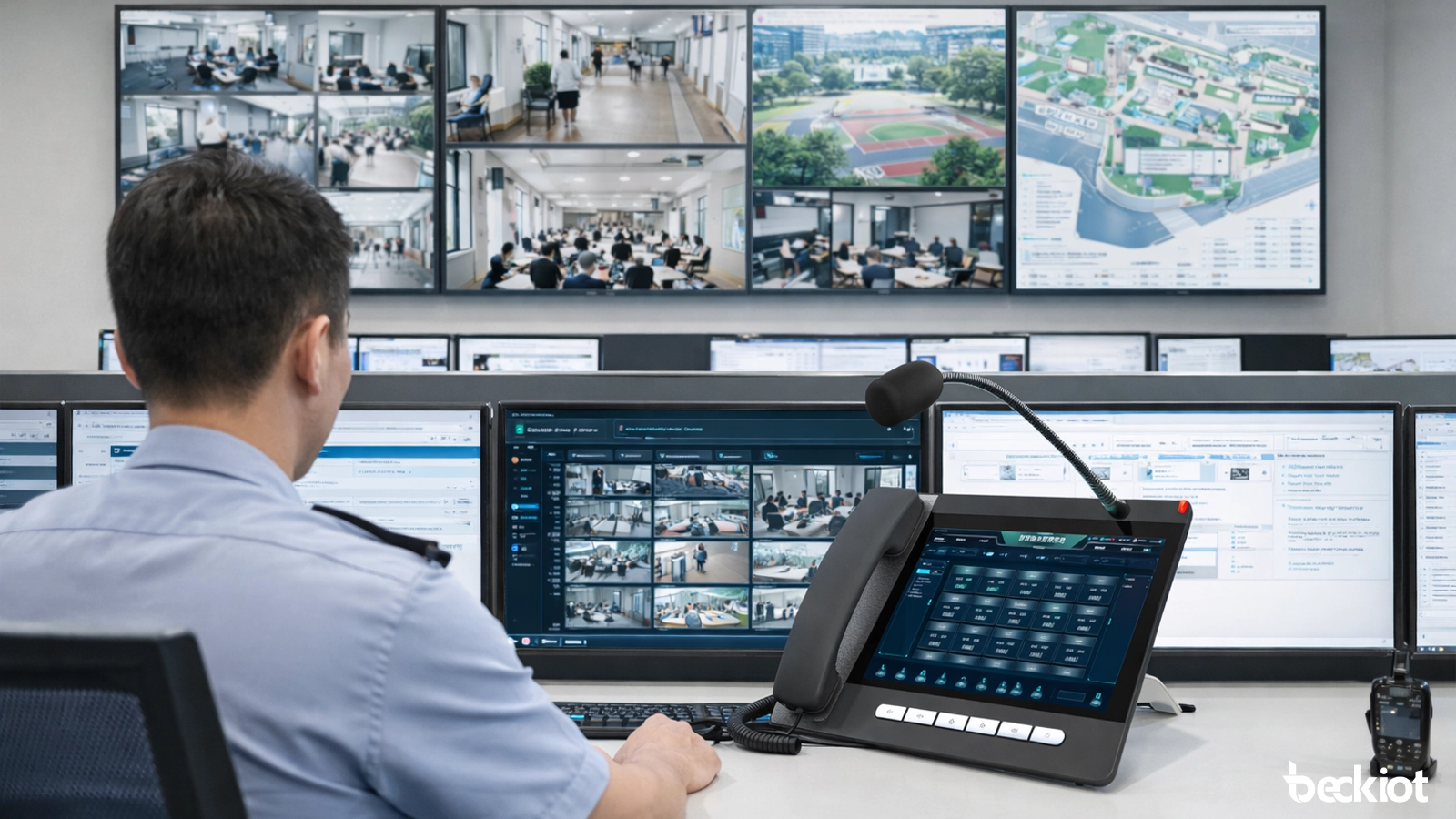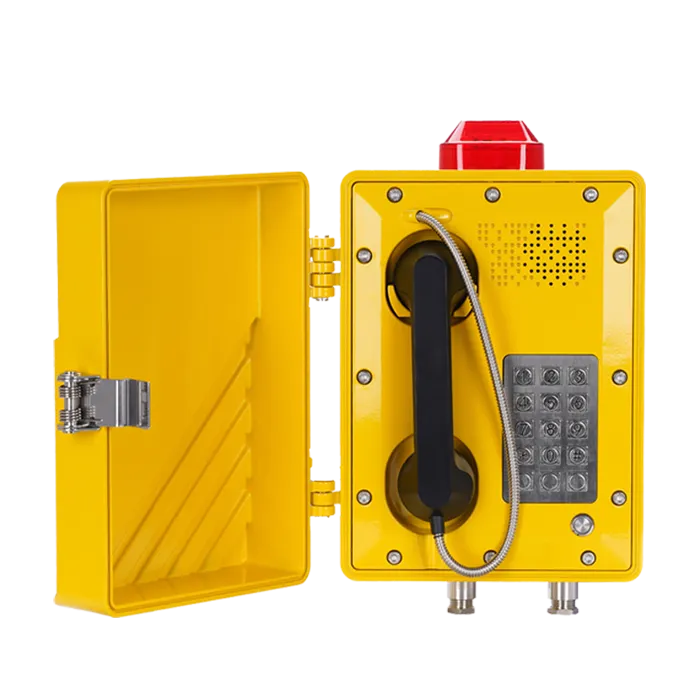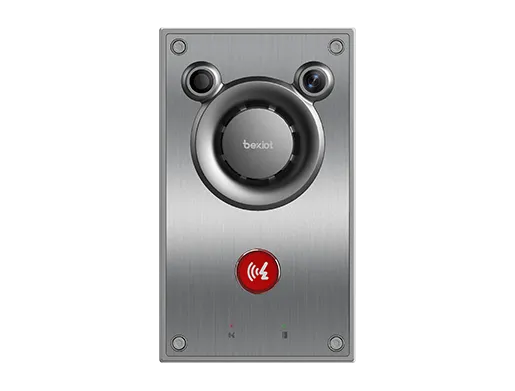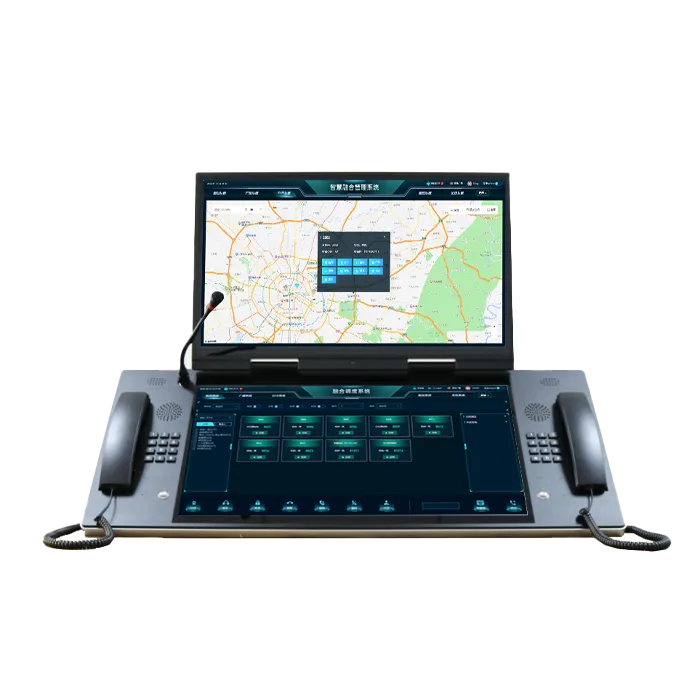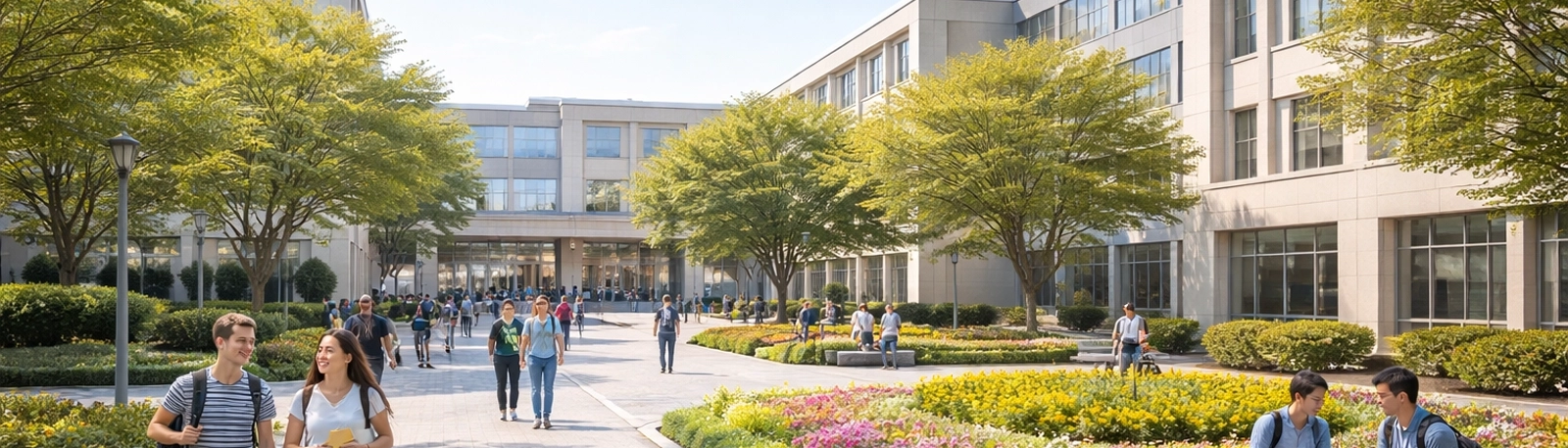
Le système PAGA Campus de Becke prend en charge la diffusion zonale et campus-wide, la priorité des alarmes d'urgence, l'interphone bidirectionnel, l'assistance en un clic, la vérification vidéo et la répartition multiterminal. Basé sur une architecture IP/SIP, il peut connecter des haut-parleurs, des points d'aide, des téléphones vidéo, des combinés sans fil et des consoles de gestion sur une plateforme unifiée. Le système prend également en charge la gestion à distance, l'extension flexible et la coordination efficace pour les opérations quotidiennes et la réponse aux urgences.
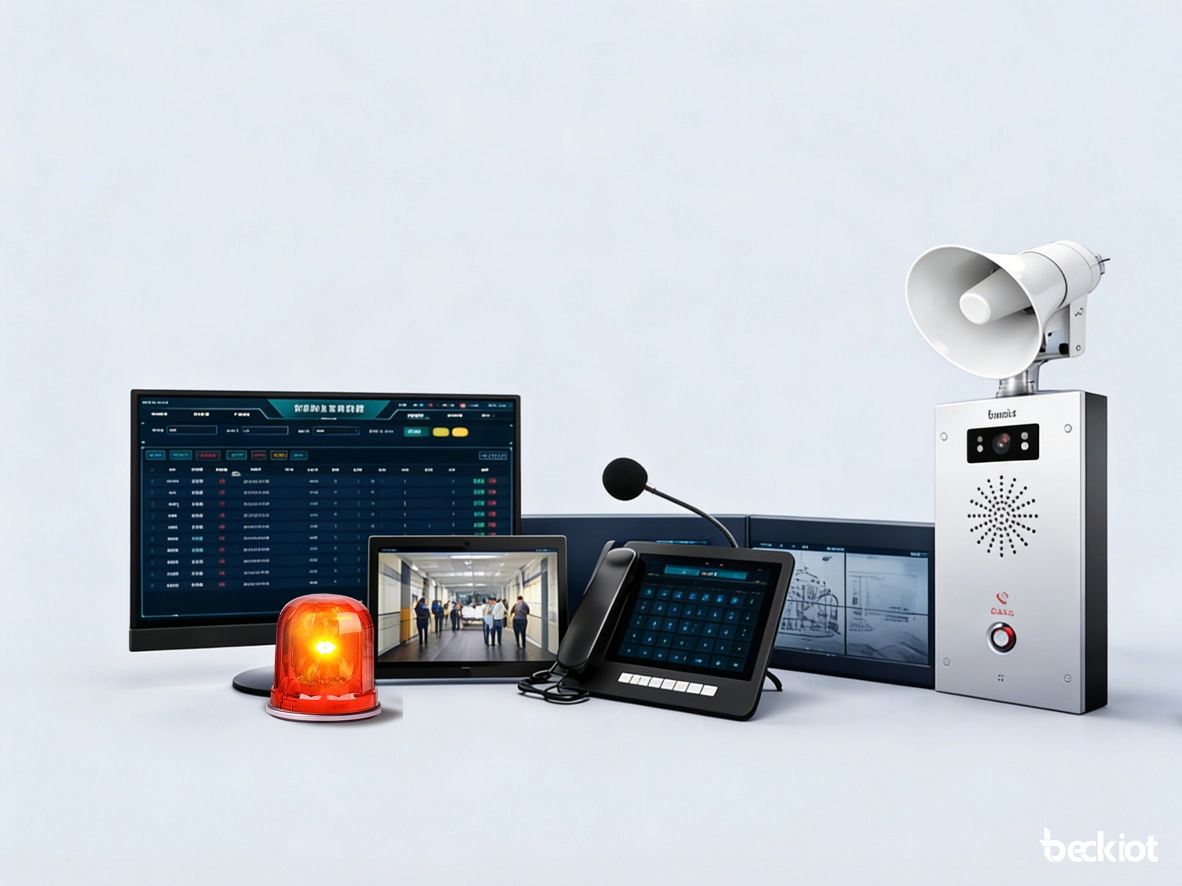
Le système PAGA de l'école est plus qu'un système de diffusion autonome. Il rassemble la sonorisation, l'alarme d'urgence, l'interphone bidirectionnel, la liaison téléphonique, la liaison vidéo et la répartition sans fil sur une plate-forme unifiée. À partir d'une interface unique, le centre de gestion peut gérer les annonces de routine, la pagination zonée, les émissions d'évacuation d'urgence, les demandes d'aide et la coordination de la sécurité. Cela élimine la séparation traditionnelle entre les systèmes de diffusion, d'interphone, de contrôle d'accès et de surveillance, améliorant l'efficacité de la gestion et créant un processus de réponse plus connecté en cas d'urgence.
Le système prend en charge la diffusion zonée indépendante pour les salles de classe, les bâtiments d'enseignement, les terrains de jeux, les cafétérias, les bibliothèques, les couloirs et les zones d'activités publiques, tout en prenant en charge la diffusion unifiée sur l'ensemble du campus. Les écoles peuvent regrouper les zones par bâtiment, étage, niveau ou zone fonctionnelle pour prendre en charge les cloches programmées, la musique de fond, les avis d'examen, la radiomessagerie de routine et les émissions d'urgence. En cas d'urgence, le système peut rapidement passer de la diffusion normale à la diffusion d'alarme haute priorité, garantissant que les messages critiques atteignent immédiatement la zone cible.
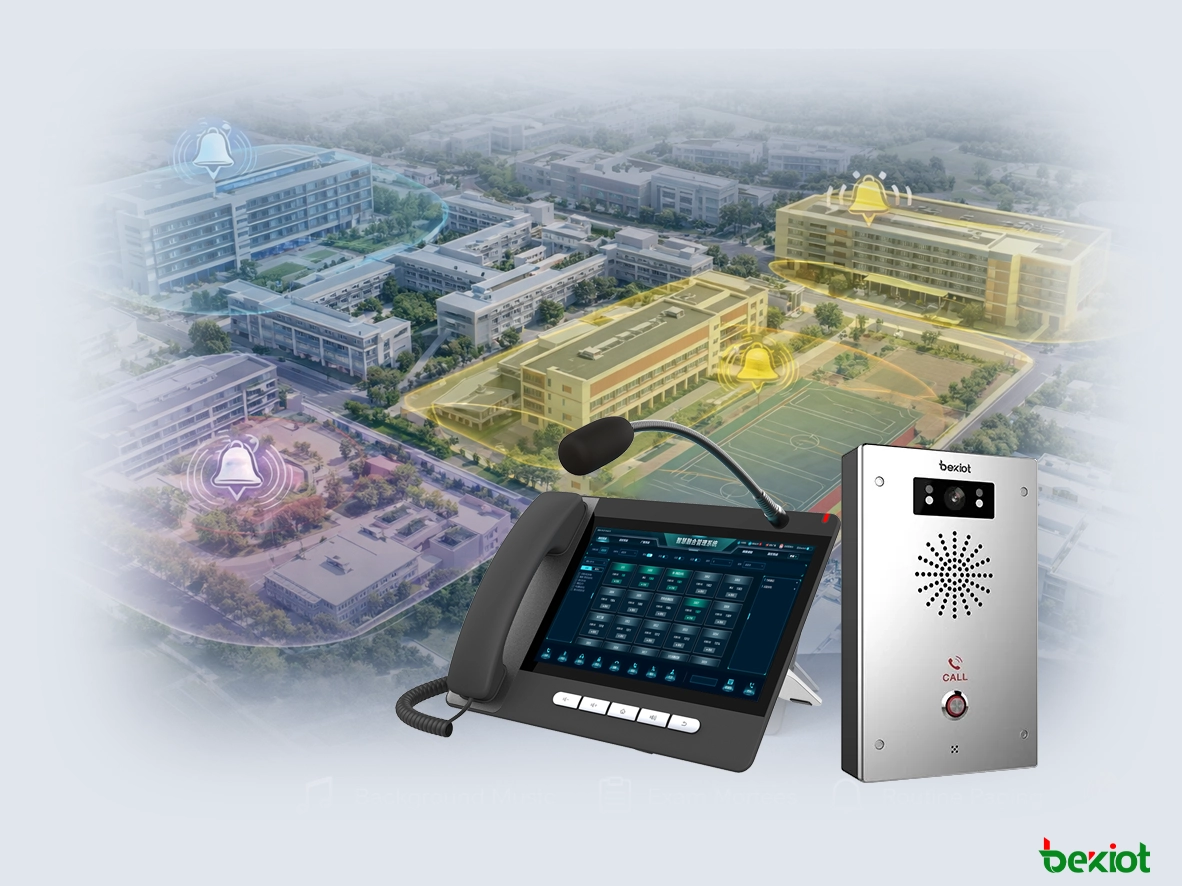
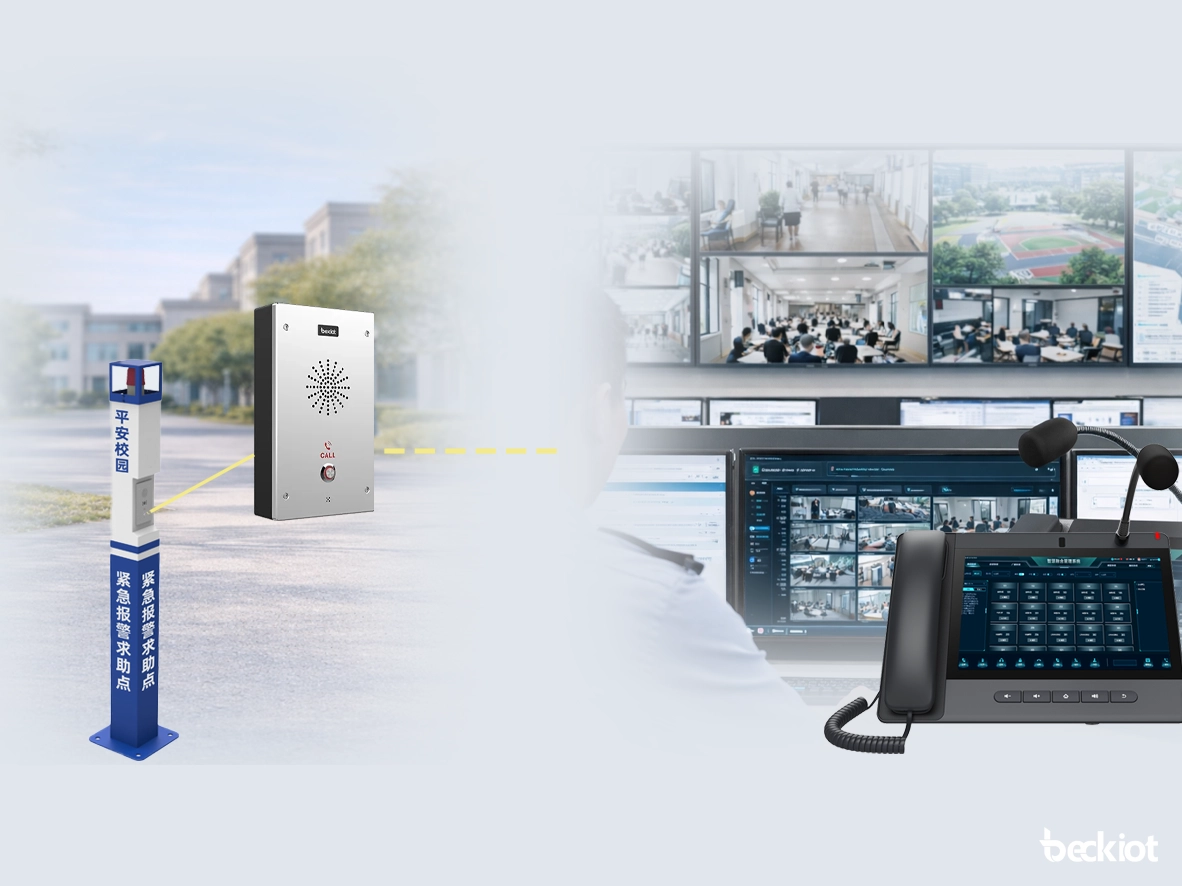
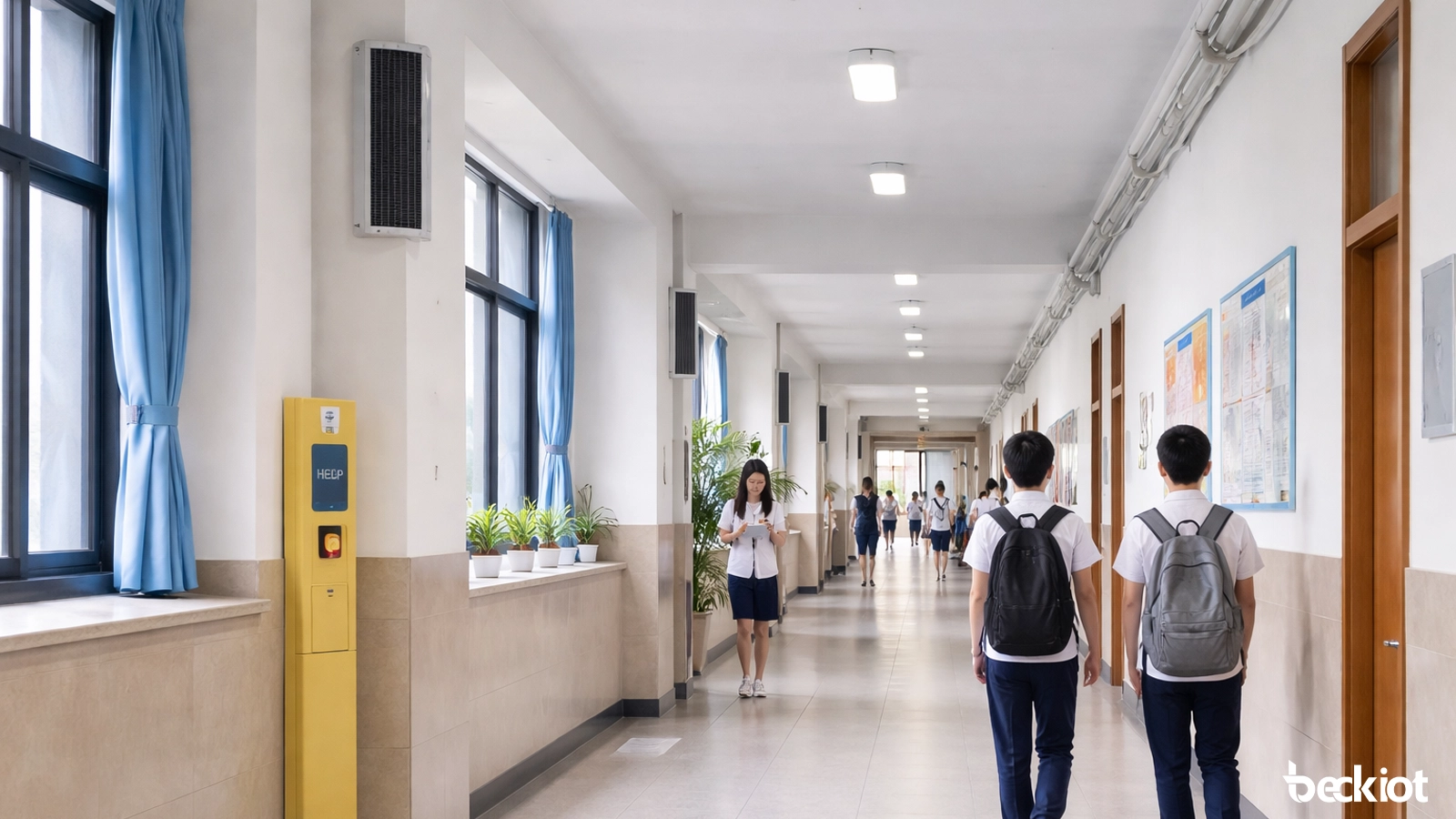
En déployant des terminaux d'interphone de point d'aide dans les salles de classe, les couloirs, les terrains de jeux et les entrées du campus, les enseignants et les étudiants peuvent lancer une demande d'aide d'une simple pression en cas d'urgence. La salle de service ou le centre de gestion peut répondre immédiatement et établir une communication bidirectionnelle mains libres. Le système prend en charge l'enregistrement des appels, l'enregistrement des statuts et la traçabilité des événements, ce qui le rend utile à la fois pour la réponse quotidienne des services et la gestion rapide des urgences. Par rapport aux méthodes d'alarme unidirectionnelles traditionnelles, cette combinaison de diffusion, d'appels et de liaison système est mieux adaptée à la gestion de la sécurité sur le campus.
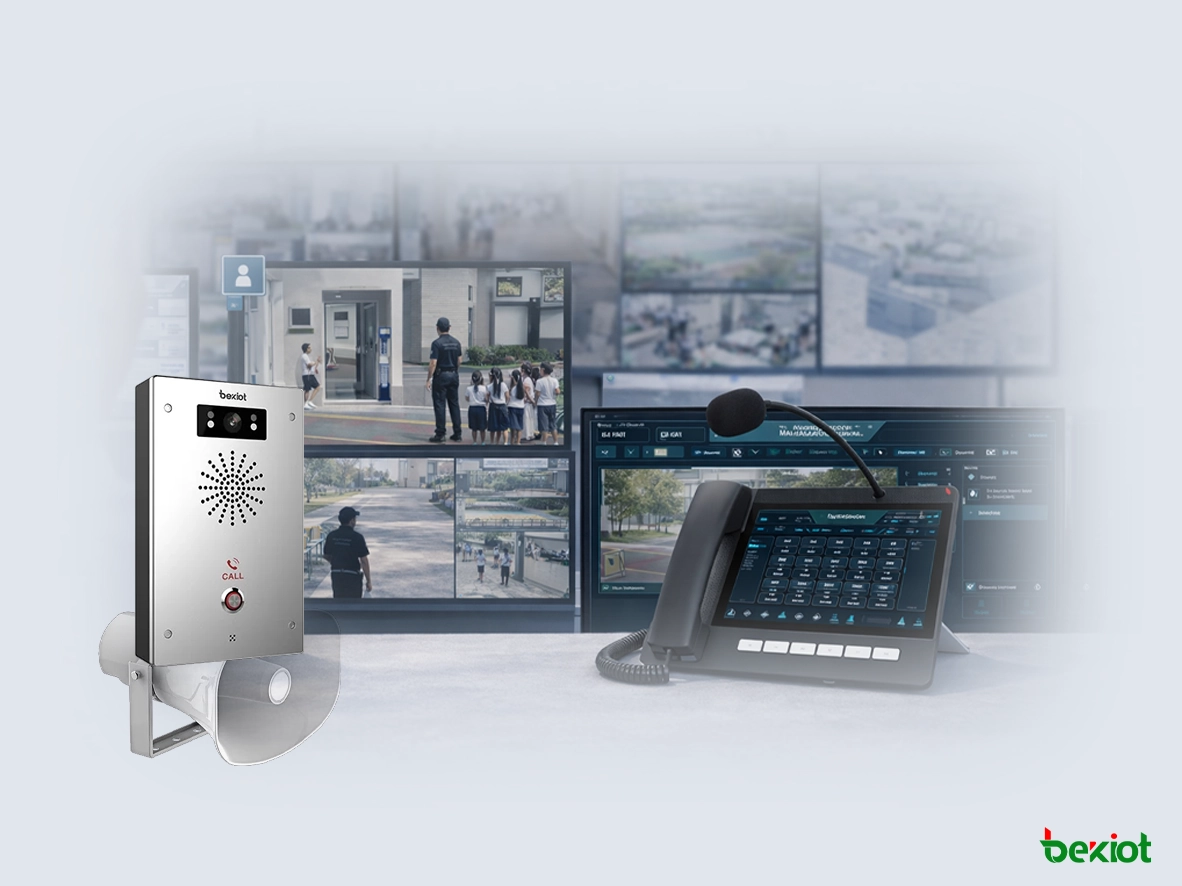
Le système PAGA de l'école peut être intégré aux terminaux de vidéosurveillance et d'interphone vidéo. Lorsqu'une demande d'aide, une alarme ou un événement de contrôle d'accès se produit, le centre de gestion peut visualiser la scène en direct en temps réel, faire des annonces vocales, vérifier la situation par vidéo et effectuer une répartition à distance. Pour les équipes de sécurité du campus, cela améliore considérablement l'évaluation des incidents en fournissant un contexte visuel au lieu de se fier uniquement à l'audio. Dans des domaines clés tels que les bâtiments d'enseignement, les terrains de jeux et les entrées, il prend également en charge une gestion visualisée plus intuitive et efficace.
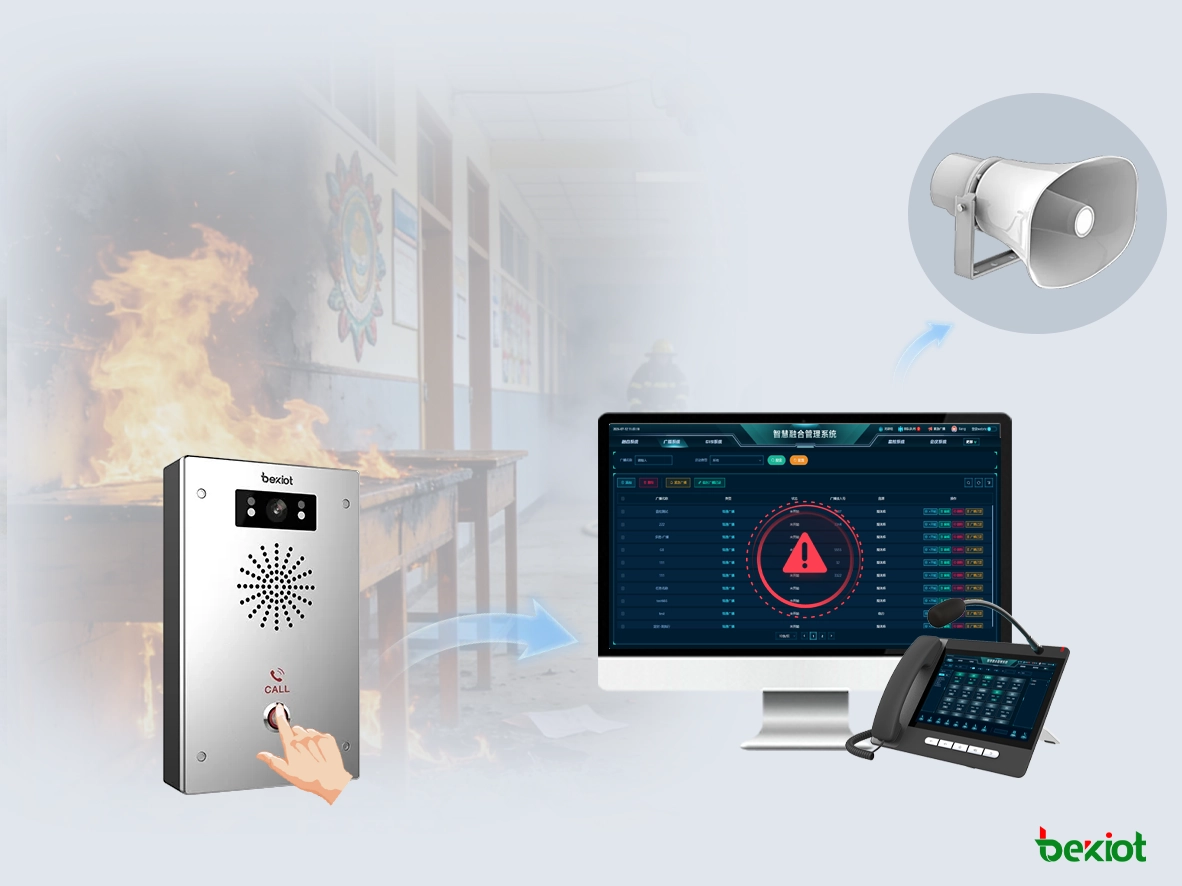
L'une des valeurs fondamentales d'un système PAGA est sa capacité à prendre en charge les fonctions d'alarme générale en cas d'urgence. En cas d'alarme incendie, d'intrusion non autorisée, de demande d'aide d'urgence ou d'autre incident sur le campus, le système peut rapidement déclencher des tâches de diffusion hautement prioritaires et envoyer des avis d'urgence, des instructions d'évacuation, des avertissements de zone ou des conseils de sécurité aux zones désignées. En même temps, il peut être lié au contrôle d'accès, à la radio sans fil, aux téléphones de service et aux terminaux de gestion, créant une boucle de réponse complète allant de l'activation de l'alarme et de la livraison d'informations à la coordination du personnel et à la gestion sur place.
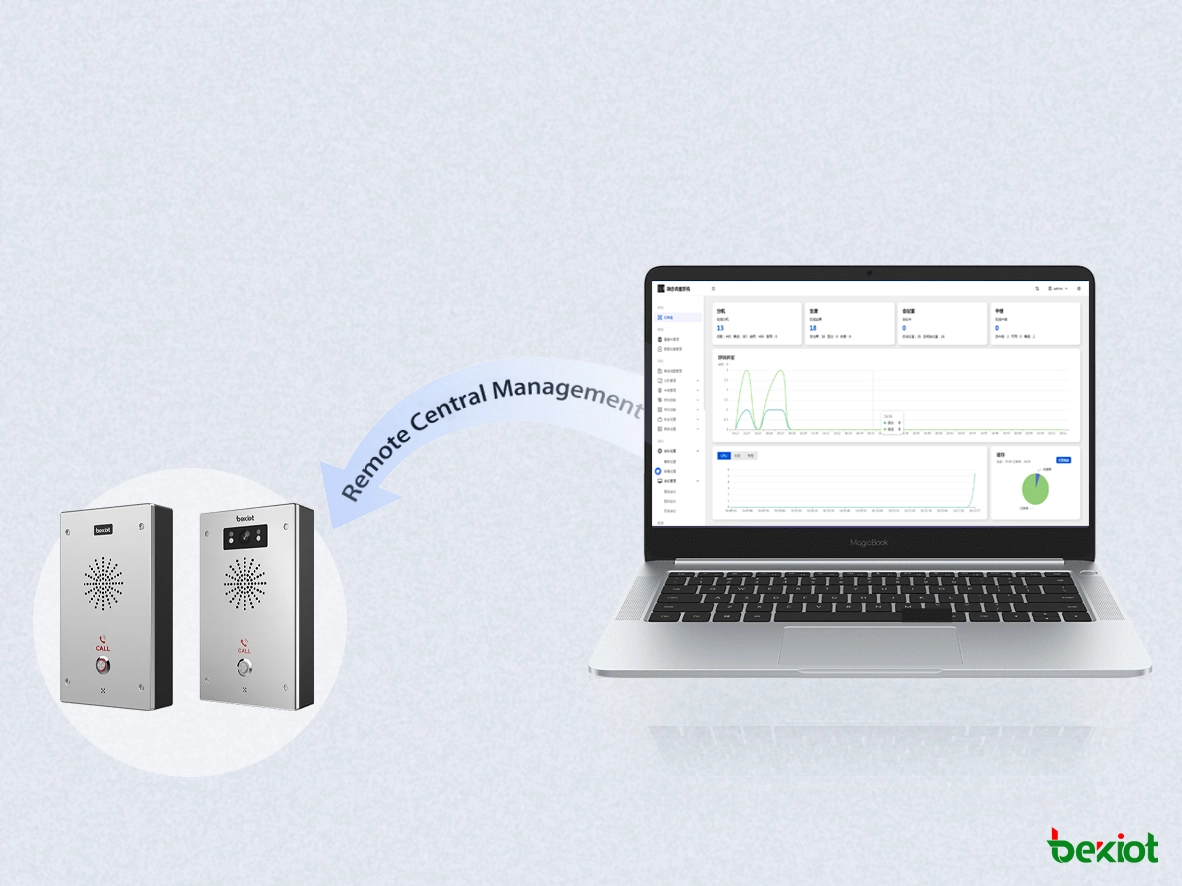
Le système prend en charge la gestion unifiée de la plate-forme, permettant le déploiement de terminaux par lots, la configuration à distance, les mises à niveau à distance et la maintenance continue de l'état. Cela le rend bien adapté aux écoles avec plusieurs bâtiments, plusieurs campus ou des plans de construction par étapes. Pour les campus disposant de ressources de diffusion existantes, le système prend également en charge les stratégies de mise à niveau et de réutilisation, permettant à l'équipement traditionnel d'être progressivement migré vers une architecture IP via des passerelles de diffusion réseau, des plates-formes de gestion et des terminaux convergents. Cela permet de réduire les coûts globaux du projet et de réduire la pression de maintenance à long terme.
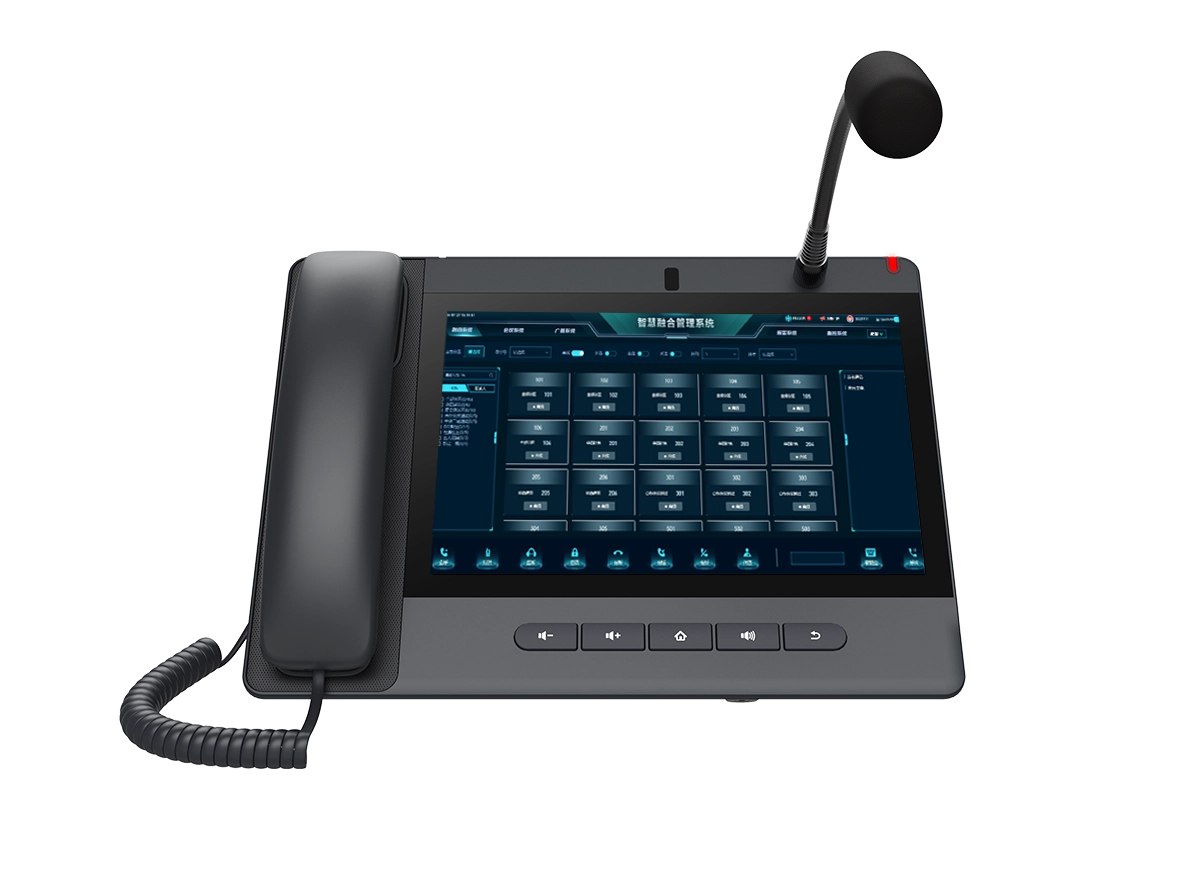
Le GP320i est l'un des principaux terminaux de gestion d'un système PAGA scolaire, idéal pour être déployé dans les centres de surveillance, les salles de service ou les salles de contrôle de diffusion. Il prend en charge la pagination en direct, l'enregistrement des appels, les appels vidéo, la liaison vidéo et les opérations de répartition unifiée. Il peut gérer la diffusion sur le campus, la réponse aux alarmes et les tâches de gestion visualisées, ce qui en fait un dispositif important pour relier les opérations de sonorisation et d'alerte d'urgence au centre de gestion.
Voir plus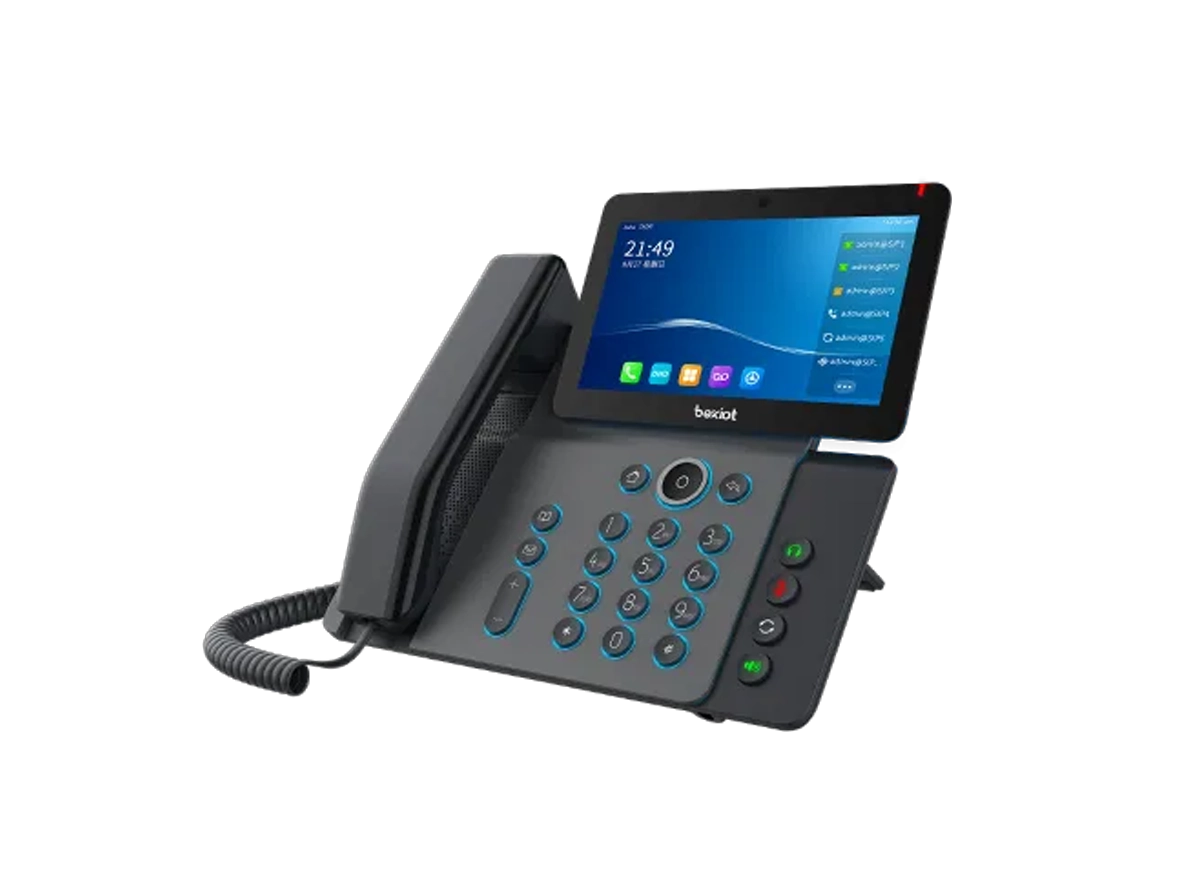
Avec un fonctionnement à écran tactile, des appels vidéo et des capacités vocales HD, le téléphone vidéo intelligent convient à des endroits tels que le bureau académique, la salle de garde, le bureau de sécurité et les lieux d'affectation. En tant que terminal de communication au sein de l'école, il peut fonctionner avec le système de diffusion et de répartition d'urgence pour prendre en charge la réponse aux appels, la vérification visuelle, la liaison d'urgence et les opérations quotidiennes.
Voir plus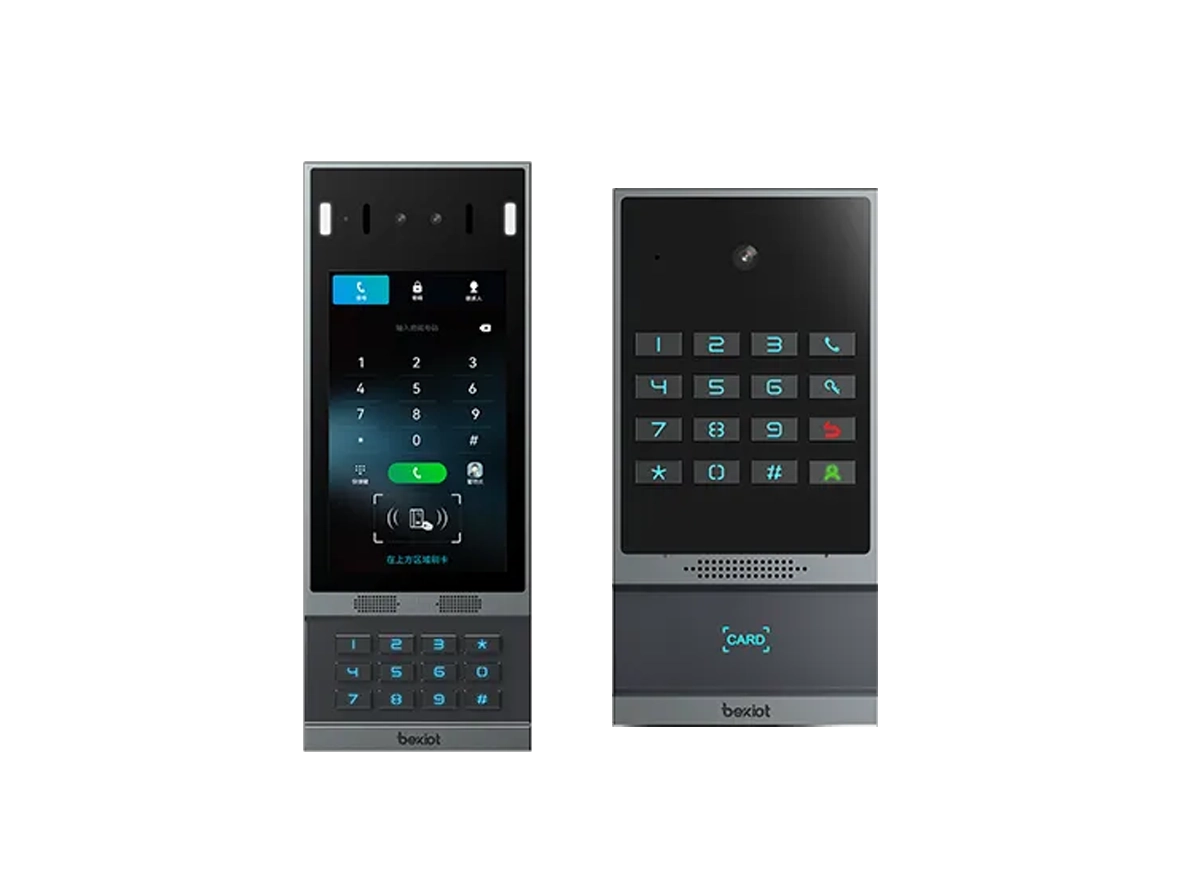
Conçu principalement pour les portes d'école, les entrées clés des bâtiments et les points d'accès aux zones fonctionnelles, il prend en charge la reconnaissance faciale, l'accès par carte, l'interphone vidéo, la détection de falsification et le contrôle des barrières. Dans la solution PAGA, il sert non seulement de dispositif de contrôle d'accès, mais aussi de point d'entrée de liaison d'urgence, en collaboration avec le système de diffusion et le centre de gestion lors d'incidents de sécurité.
Voir plus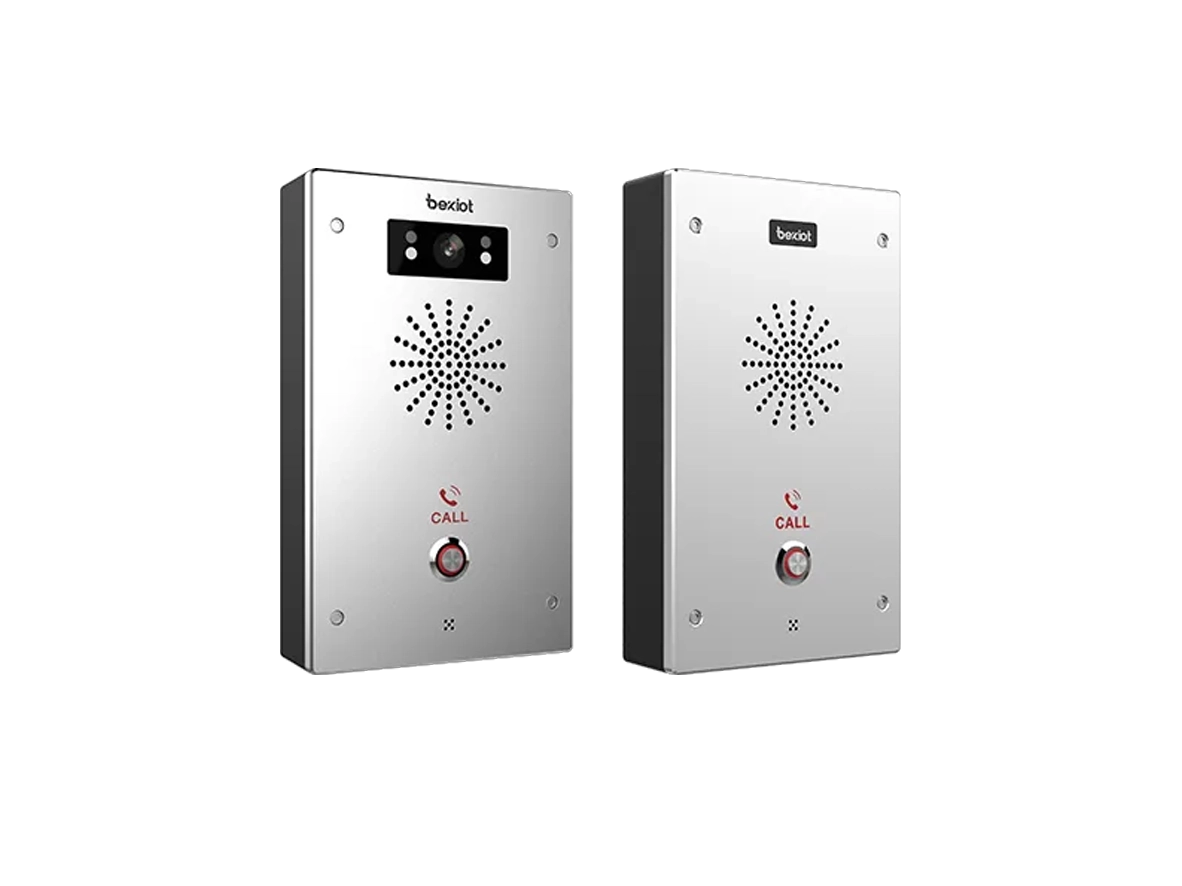
Adapté au déploiement aux entrées des salles de classe, aux espaces publics, aux points d'aide et aux passages clés, le terminal prend en charge l'interphone vidéo, les appels bidirectionnels, la réception de diffusion et la liaison d'événements. Dans les applications PAGA scolaires, il sert à la fois la communication de service de routine et l'assistance d'urgence, ce qui en fait un terminal d'interaction frontal important sur le campus.
Voir plus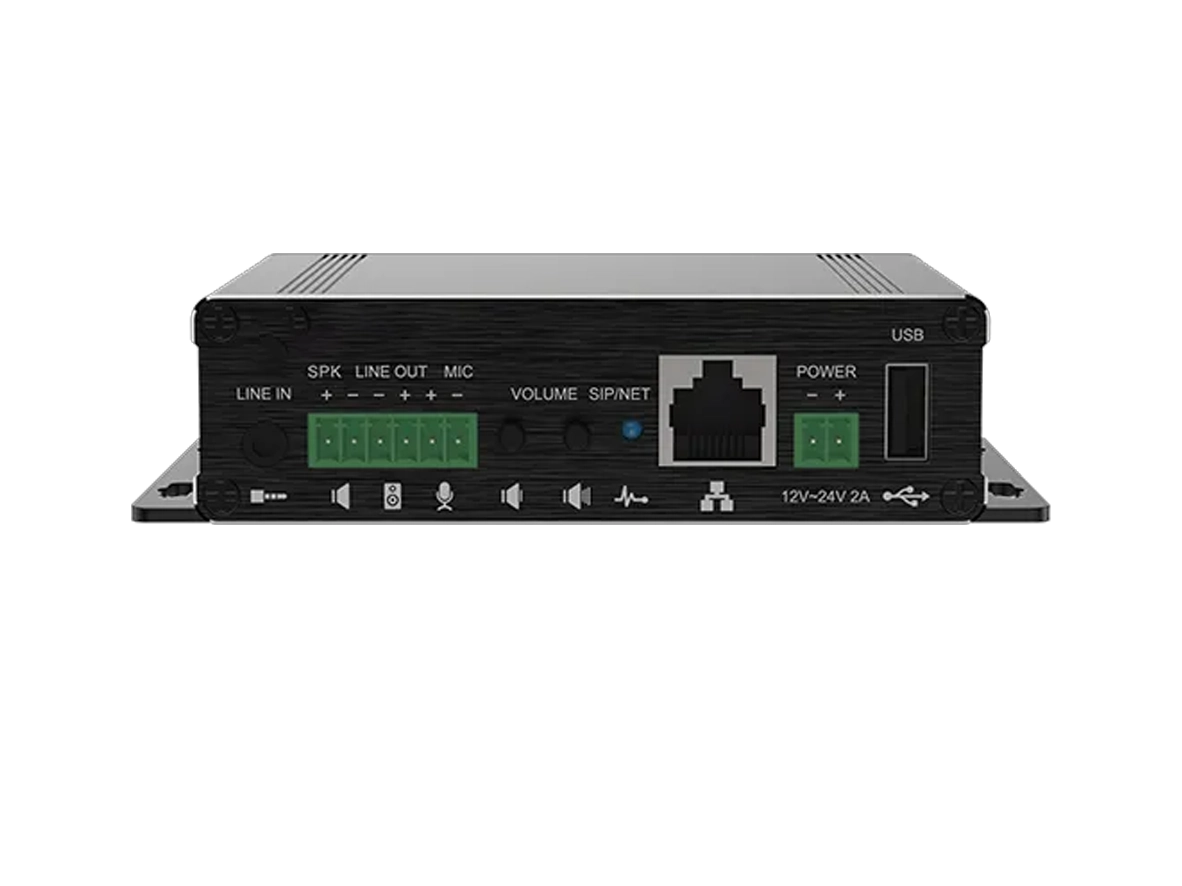
Le PA3 est un dispositif de diffusion clé dans le système PAGA de l'école. Il prend en charge la radiomessagerie en direct, la liaison d'alarme, la liaison vidéo et la sortie de diffusion multizone. Il convient pour connecter des haut-parleurs ou des terminaux de diffusion dans les salles de classe, les couloirs, les terrains de jeux et les cafétérias en un système de diffusion réseau unifié, ce qui en fait un nœud important pour la construction de capacités de sonorisation et d'alarme générale sur les campus.
Voir plus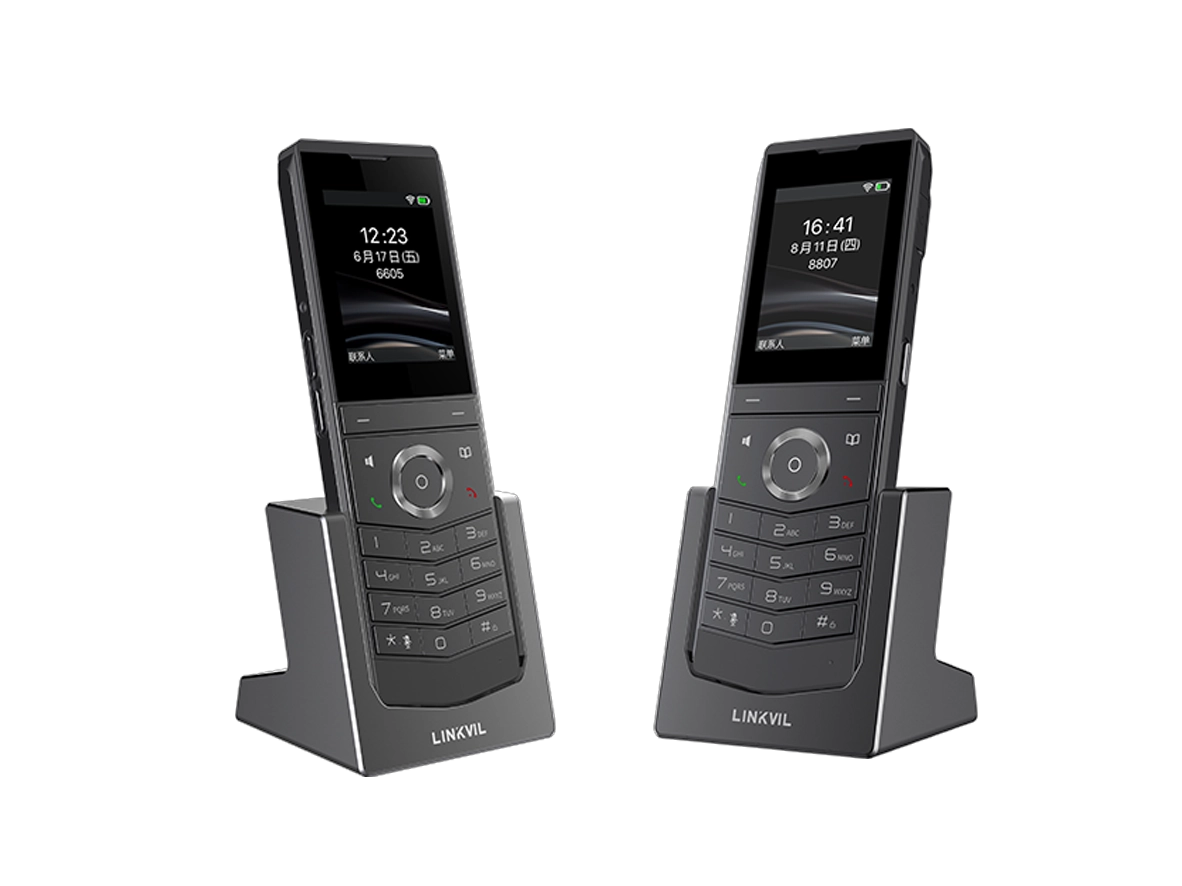
Le W611W est adapté à une utilisation mobile par les enseignants, le personnel de sécurité et le personnel de service. Il prend en charge l'itinérance Wi-Fi, les appels PTT, la voix HD et les conférences vocales multipartites. Dans les scénarios PAGA scolaires, il permet la réponse aux appels mobiles, la réception de diffusion et la coordination par zone, aidant le personnel à rester connecté en permanence pendant les patrouilles, le service ou la gestion des incidents.
Voir plus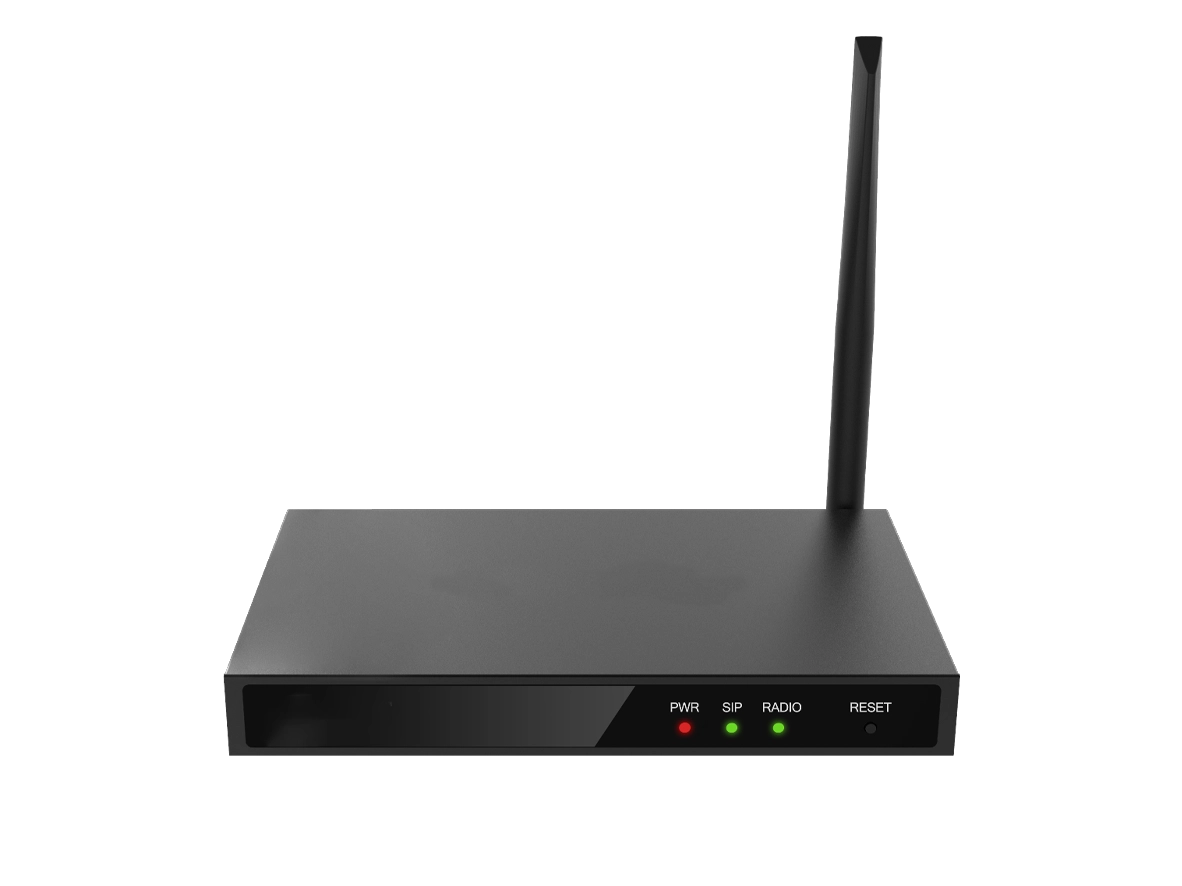
La passerelle d'interphone RoIP connecte la plate-forme de gestion de l'école aux systèmes radio bidirectionnels analogiques et numériques, permettant au personnel mobile tel que les gardes, le personnel de sécurité, les nettoyeurs et les équipes de maintenance de communiquer en coordination avec le centre de gestion et le système de diffusion. Grâce à cette passerelle, l'école peut intégrer une infrastructure de sonorisation fixe aux communications radio mobiles, améliorant la coordination et l'efficacité organisationnelle lors des interventions d'urgence.
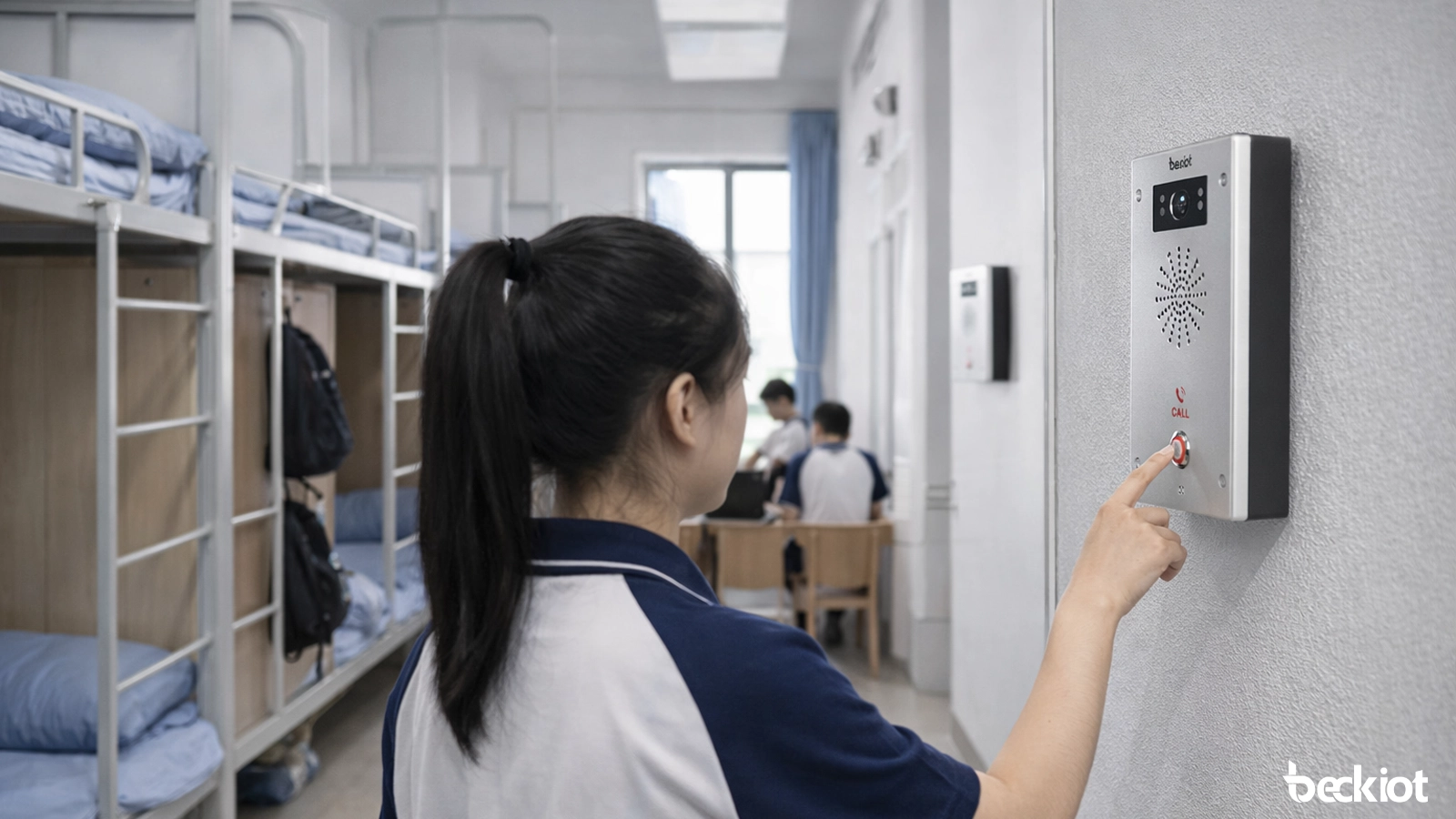
Dans les dortoirs et les bureaux de la faculté, le système peut être utilisé pour les notifications de diffusion, la réponse mobile, la réponse d'assistance d'urgence et la coordination des incidents. Les enseignants ou les administrateurs peuvent recevoir des notifications et rejoindre la communication multipartite via des téléphones vidéo, des terminaux portables sans fil et des appareils similaires. Dans les dortoirs, le système peut également fonctionner avec le contrôle d'accès et la diffusion pour la gestion des visiteurs, les annonces à l'échelle du bâtiment et les alertes d'urgence nocturnes. Ce modèle de déploiement étend le système PAGA scolaire au-delà des zones d'enseignement dans les zones résidentielles et administratives, créant une couverture complète à l'échelle du campus.
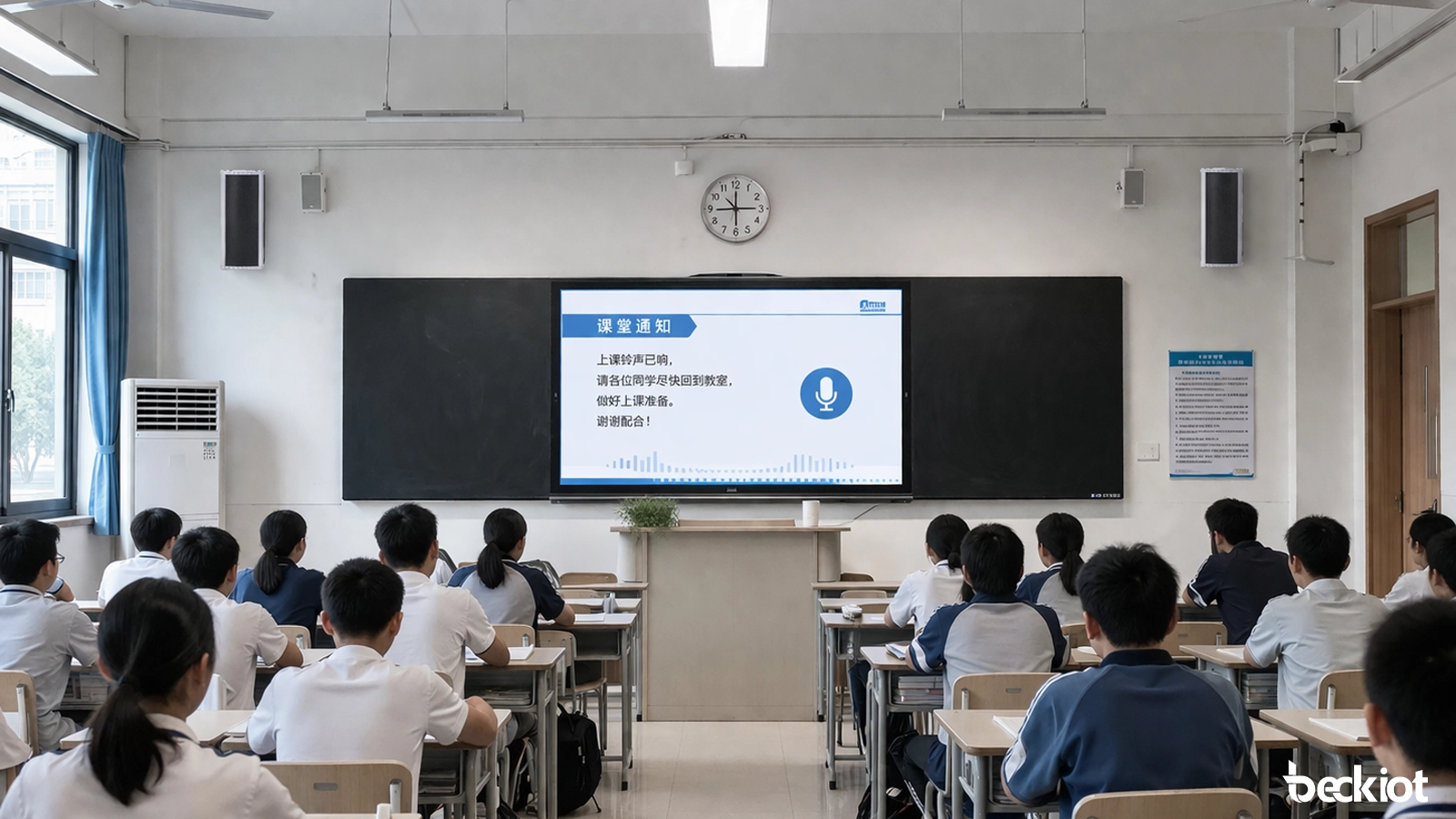
Dans les salles de classe multimédias, le système PAGA peut prendre en charge les émissions d'enseignement, les annonces en classe, la distribution audio des tests d'écoute, l'assistance d'urgence, l'interphone d'urgence et la liaison d'alarme. Pendant les opérations normales, il peut être utilisé pour le soutien pédagogique et les annonces unifiées. Dans des situations anormales, les terminaux de classe peuvent rapidement appeler le centre de gestion, permettant une commutation immédiate entre la diffusion et l'interphone. Cette approche prend en charge à la fois les besoins pédagogiques et la gestion de la sécurité du campus.
Déployé dans les couloirs et les espaces publics, le système permet la radiomessagerie zonée, les annonces de routine, les conseils d'évacuation et les diffusions d'urgence. En cas d'incident, le centre de contrôle peut cibler des étages ou des zones spécifiques, améliorant la clarté et l'efficacité de la réponse tout en évitant les perturbations à l'échelle du campus.
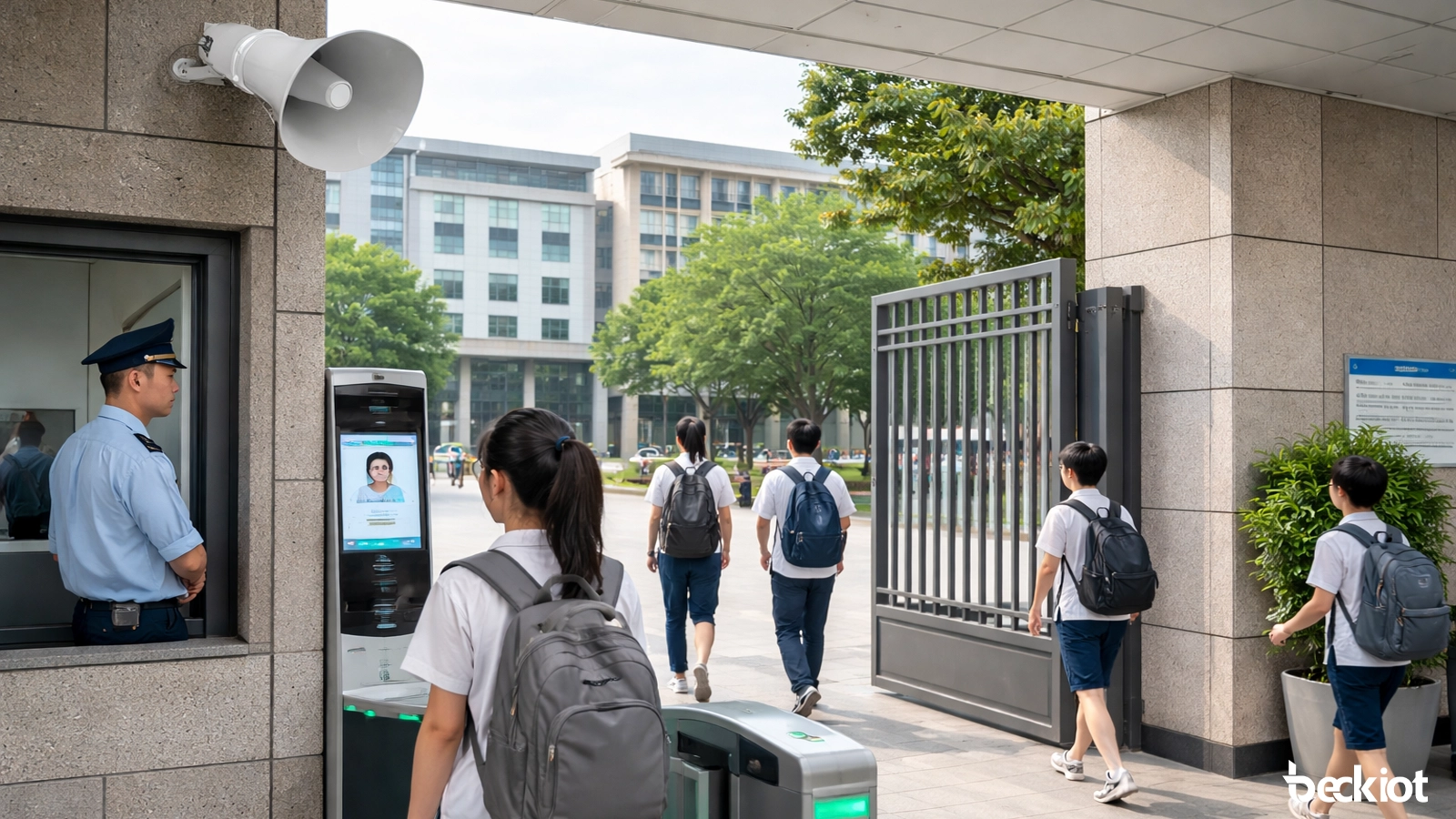
Aux portes et entrées du campus, la solution peut être intégrée au contrôle d'accès par reconnaissance faciale, à l'interphone vidéo et aux systèmes de sonorisation. La salle de garde ou le centre de gestion peut vérifier à distance les visiteurs, passer des appels vidéo et déverrouiller les portes à distance. Pendant les périodes de pointe ou les situations spéciales, le système peut également diffuser des conseils d'entrée, des rappels de sécurité et des avis d'urgence. Pour la sécurité du campus, cette zone fonctionne à la fois comme un point de contrôle de première ligne et comme un nœud important pour la communication d'urgence.
Les terrains de jeux, les cafétérias, les bibliothèques et les places du campus sont des zones à haute densité où des annonces publiques et des émissions d'urgence sont fréquemment nécessaires. Le système peut fournir de la musique de fond, des notifications d'événements, des émissions programmées et des alertes d'évacuation d'urgence dans ces espaces. Lorsqu'une demande d'aide ou un incident inattendu se produit, les fonctions de diffusion et d'interphone peuvent être activées en même temps, aidant le personnel à donner des instructions en direct et à maintenir l'ordre plus efficacement.
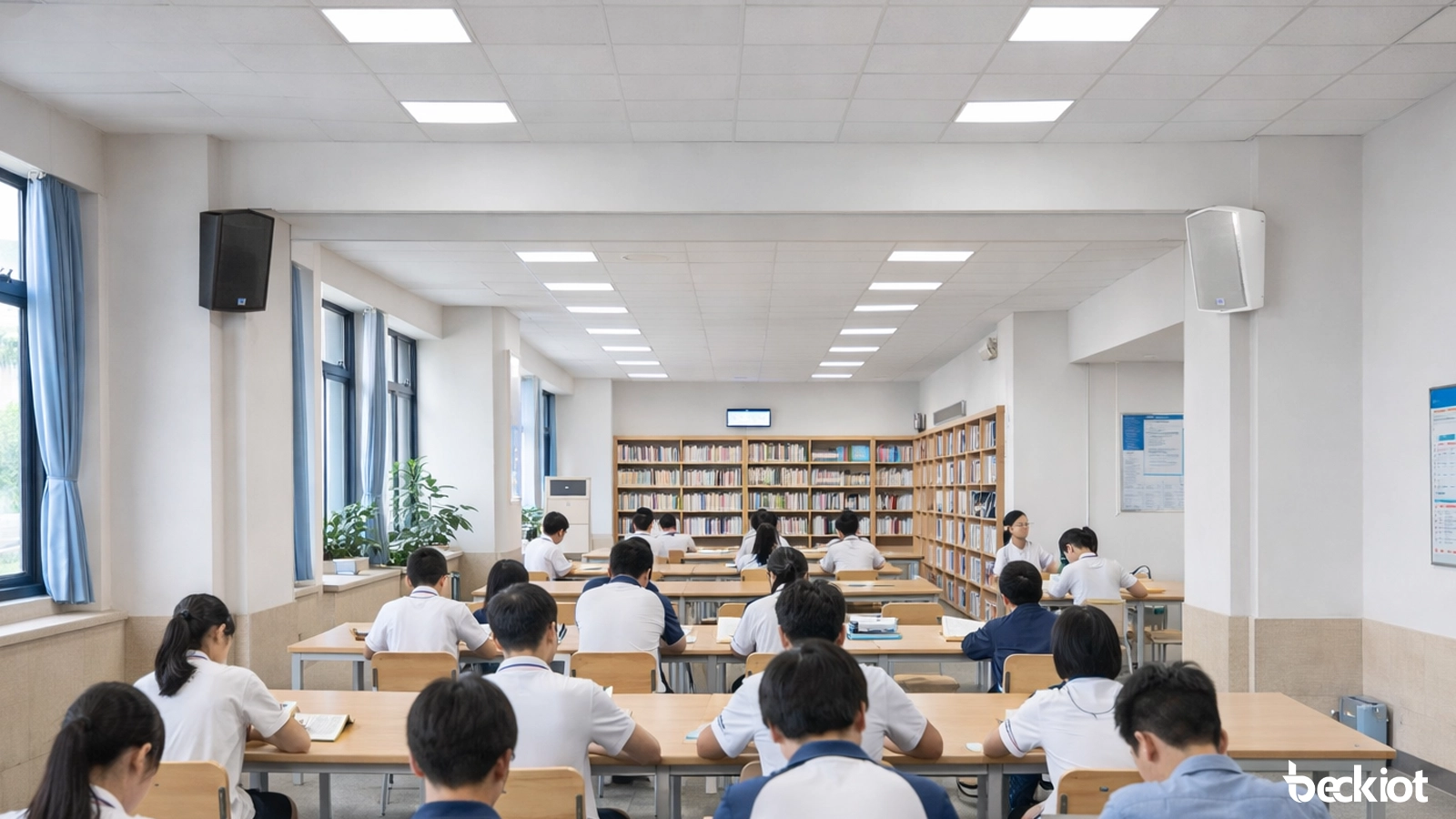
Les terrains de jeux, les cafétérias, les bibliothèques et les places du campus sont des zones à haute densité où des annonces publiques et des émissions d'urgence sont fréquemment nécessaires. Le système peut fournir de la musique de fond, des notifications d'événements, des émissions programmées et des alertes d'évacuation d'urgence dans ces espaces. Lorsqu'une demande d'aide ou un incident inattendu se produit, les fonctions de diffusion et d'interphone peuvent être activées en même temps, aidant le personnel à donner des instructions en direct et à maintenir l'ordre plus efficacement.